Winter Chicken Care: How to Keep Your Flock Healthy and Warm
Practical strategies for protecting your poultry through freezing temperatures and shorter days
Introduction
Winter presents unique challenges for chicken keepers, but with proper preparation, your flock can thrive even when temperatures drop below freezing. Chickens are remarkably cold-hardy birds, yet they need specific care adjustments to maintain health, comfort, and egg production during the coldest months. This guide walks you through the essential winter care practices that will keep your birds safe from November through March.
Preparing Your Coop for Winter
Your coop is your flock's primary defense against winter weather. Proper preparation starts before the first hard freeze.
Ventilation Without Drafts
Many beginners mistakenly seal their coops too tightly in winter. Chickens generate significant moisture through breathing and droppings, and without adequate ventilation, this moisture creates frostbite-inducing humidity and ammonia buildup.
- Position vents near the roofline, above where chickens roost
- Keep vents open even when temperatures drop to 0°F
- Block drafts at chicken level using weather stripping or hardware cloth covered with burlap
- Aim for ventilation that exchanges air without creating wind across roosting birds
Insulation and Bedding
Insulation helps, but chickens themselves are the primary heat source in most backyard coops.
- Use the deep litter method: start with 3-4 inches of pine shavings and add fresh layers weekly
- This composting bedding generates gentle heat and provides insulation
- Insulate walls only if you can maintain proper ventilation
- Focus insulation efforts on the ceiling where heat rises
Water Management in Freezing Temperatures
Frozen water is one of winter's biggest challenges. Chickens need constant access to liquid water for digestion and health.
Heating Options
For temperatures consistently below 32°F, you'll need a heating solution:
- Heated poultry waterers (40-watt models work for most backyard flocks)
- Water heater bases that prevent freezing without heating the water itself
- Heated dog bowls as a budget alternative
Non-Electric Alternatives
If you lack electricity in your coop:
- Refresh water 2-3 times daily with warm water
- Use rubber tubs that allow you to pop out ice easily
- Add a ping pong ball to slow surface freezing in mild conditions
- Consider the insulated water bucket method wrapped in an old sleeping bag
Feeding Adjustments for Cold Weather
Chickens burn significantly more calories maintaining body temperature when it's cold. Adjust their diet accordingly.
Increase Caloric Intake
During winter, chickens may consume 25-50% more feed than in summer. This isn't waste—it's necessary fuel.
- Provide free-choice layer feed throughout the day
- Offer cracked corn or scratch grains in the evening (about 1/4 cup per bird)
- Evening feeding gives them calories to burn overnight for warmth
- Monitor body condition by feeling the breast muscle on either side of the keel bone
Supplement for Health
Winter limits natural foraging opportunities:
- Hang cabbage or kale for pecking entertainment and nutrients
- Offer warm oatmeal or cooked squash on especially cold mornings
- Continue providing grit and oyster shell free-choice
- Some keepers on CuzHens Market recommend adding apple cider vinegar to water (1 tablespoon per gallon) to support immune function
Preventing Frostbite and Health Issues
Frostbite affects combs, wattles, and toes, particularly in breeds with large combs.
High-Risk Conditions
Frostbite occurs when moisture meets extreme cold:
- Most common when humidity is high inside the coop (poor ventilation)
- Affects wet combs after drinking or during high-humidity nights
- Breeds with large single combs are most vulnerable
Prevention Strategies
- Apply petroleum jelly to combs and wattles when temperatures drop below 15°F
- Ensure roosts are 2x4 boards placed wide-side up so birds can cover their toes
- Keep bedding dry to reduce moisture
- Provide adequate roost space (10-12 inches per bird) so chickens can fluff feathers
Recognizing Problems Early
Check your flock daily for:
- Black or purple discoloration on comb tips (frostbite)
- Limping or favoring one foot
- Lethargy or puffed-up posture lasting more than a morning warm-up period
- Respiratory sounds like wheezing or gurgling
Egg Production and Collection
Egg production naturally declines in winter due to reduced daylight, not just cold.
Managing Expectations
Without supplemental light, expect:
- 50-70% reduction in laying from peak production
- Some hens may stop entirely for 2-3 months
- This rest period is natural and healthy
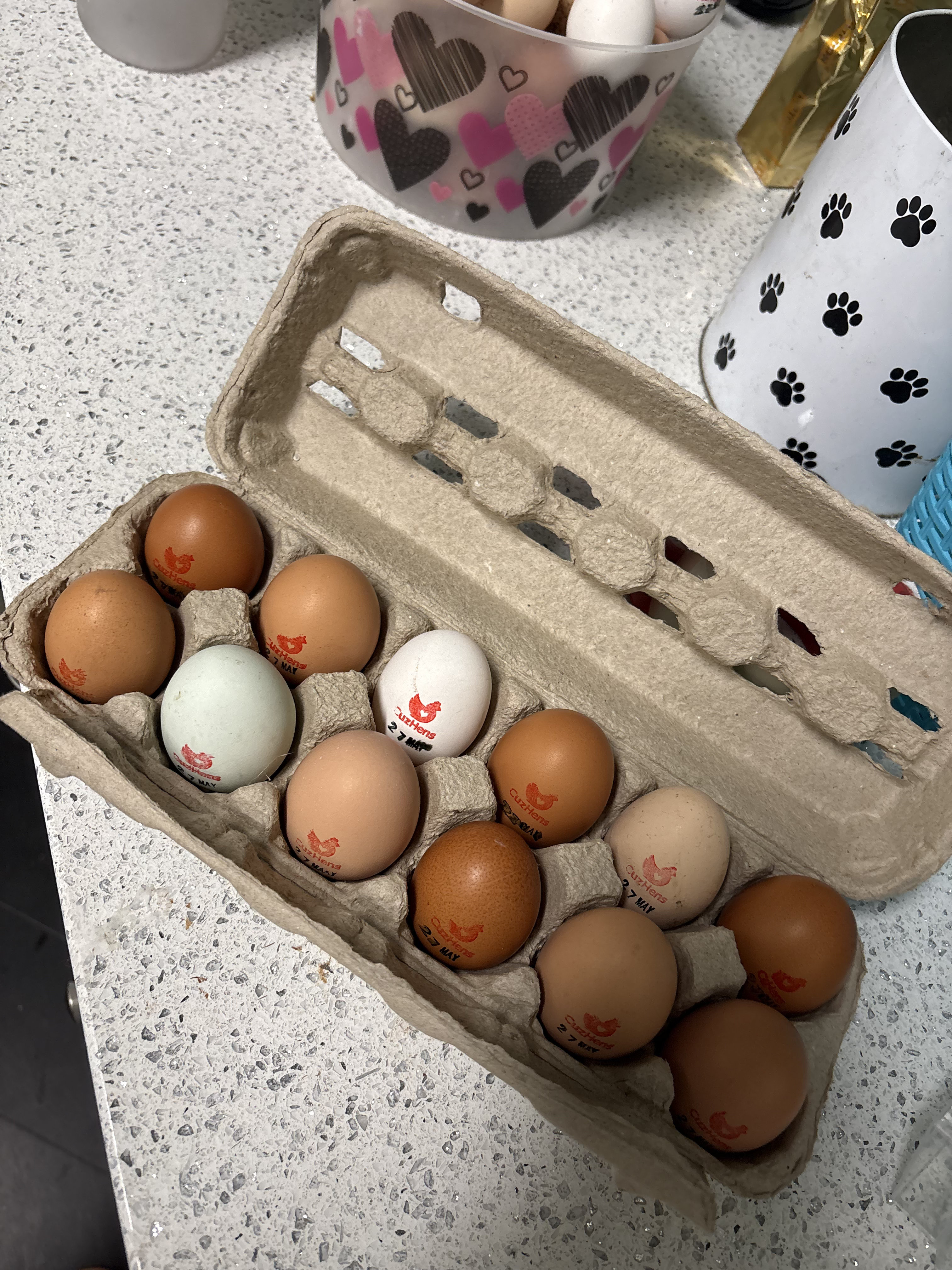
Protecting Eggs from Freezing
Eggs can freeze and crack in temperatures below 28°F:
- Collect eggs at least twice daily
- Add extra nesting material for insulation
- Check for hidden nests in corners where eggs might freeze unnoticed
Common Questions
Do I need a heat lamp in my coop?
No, and heat lamps are fire hazards. Healthy chickens withstand temperatures well below 0°F without supplemental heat. Focus on draft-free ventilation and dry bedding instead.
Should I let my chickens out in snow?
Yes, if they choose. Provide a covered outdoor area or scatter straw over snow. Most chickens will venture out briefly even in cold weather, which provides mental stimulation and exercise.
How cold is too cold for chickens?
Most breeds handle temperatures down to -10°F or lower if the coop is properly ventilated and draft-free. Extreme cold below -20°F may require additional precautions like closing partial vents or adding wind breaks.
Why are my chickens huddling but seem fine otherwise?
Huddling is normal thermoregulation. Concern arises when birds are lethargic, not eating, or showing respiratory symptoms alongside huddling behavior.
Got a follow-up question or a tip of your own? Take it to the Community board.