Summer Poultry Care: Proven Strategies to Keep Your Flock Thriving
Beat the heat with practical cooling techniques and management tips for healthy summer chickens
Understanding Heat Stress in Poultry
Chickens don't sweat. When temperatures climb above 85°F, your flock relies entirely on panting, wing spreading, and behavioral changes to regulate body temperature. Heat stress reduces egg production by 20-40%, weakens immune systems, and in extreme cases causes death. Recognizing early warning signs—heavy panting, lethargy, pale combs, and reduced feed intake—lets you intervene before serious problems develop.
Broilers and heavy breeds like Orpingtons struggle more than lighter Mediterranean breeds. Birds in full lay generate additional metabolic heat, making layers particularly vulnerable during peak summer months.
Water Management: Your First Line of Defense
Quantity and Quality
During hot weather, chickens drink 2-4 times their normal water intake. A flock of 25 birds can consume 3-5 gallons daily when temperatures exceed 90°F. Check waterers at least three times daily, and always provide more capacity than you think necessary.
Water temperature matters significantly. Studies show chickens refuse water above 77°F when given cooler alternatives. Place waterers in shade and consider these tactics:
- Add ice blocks to large waterers in the morning
- Use light-colored containers that reflect rather than absorb heat
- Elevate waterers off hot ground surfaces
- Position multiple watering stations in shaded locations
Electrolyte Supplementation
When temperatures stay above 85°F for consecutive days, add electrolytes to drinking water 2-3 times weekly. This replaces minerals lost through increased respiration and helps maintain proper body function. Commercial poultry electrolytes work well, or mix 1 tablespoon of salt, 2 tablespoons of baking soda, and 2 tablespoons of sugar per gallon as a homemade alternative.
Coop Ventilation and Cooling Strategies
Maximizing Airflow
Proper ventilation removes heat, moisture, and ammonia while bringing in fresh air. Your summer coop needs significantly more air exchange than winter housing. Install adjustable vents near the roofline to let hot air escape while maintaining predator security. Cross-ventilation works best—position openings on opposite walls to create natural air movement.
For coops housing 15-20 birds, consider adding a box fan or two. Position fans to move air across roosting areas without creating direct drafts on birds. Run fans during the hottest afternoon hours and overnight when heat persists.
Shade and Insulation
Reflective roof coatings reduce coop temperatures by 10-15°F. White or light-colored roofing naturally stays cooler than dark materials. If your coop has adequate insulation for winter, that same insulation helps buffer summer heat—provided you have sufficient ventilation to prevent trapping hot air.
Create outdoor shade structures using tarps, shade cloth, or natural vegetation. Chickens need access to shaded areas throughout the day as the sun moves. Plant deciduous trees on the south and west sides of runs for long-term shade solutions.
Adjusting Feed and Nutrition
Timing Matters
Feed generates metabolic heat during digestion. Shift feeding schedules to cooler parts of the day—early morning and evening. Remove or reduce midday feeding when temperatures peak. This simple change reduces internal heat production during the hottest hours.
Provide 16-18% protein layer feed during summer rather than higher protein formulations. Lower protein reduces metabolic heat while maintaining egg production. Ensure calcium is available free-choice through oyster shell.
Cooling Treats and Supplements
Frozen treats provide entertainment and cooling. Freeze watermelon chunks, berries, or corn in ice blocks. Offer chilled cucumbers, lettuce, or other high-water vegetables during afternoon heat. These treats shouldn't exceed 10% of daily diet but provide valuable hydration and enrichment.
Managing Outdoor Time and Dust Bathing
Dust baths help chickens regulate temperature and control parasites. Ensure dust bathing areas stay accessible in shaded spots. Add food-grade diatomaceous earth to bathing areas for additional parasite control during summer when mite pressure increases.
During extreme heat (above 95°F), consider restricting free-range time to morning and evening hours. While chickens naturally seek shade, some individuals push limits and risk heat stroke. Monitor flock behavior and provide shaded rest areas in runs.
Common Questions
At what temperature should I start summer heat protocols? Begin enhanced water monitoring and shade management when daytime highs consistently reach 80°F. Implement full heat management—electrolytes, adjusted feeding, fans—at 85°F and above.
How do I know if a chicken has heat stroke? Severe panting with open beak, wings held away from body, stumbling, and unresponsiveness indicate heat stroke. Move the bird immediately to shade, apply cool (not cold) water to feet and under wings, and offer room-temperature electrolyte water. Contact a veterinarian if symptoms don't improve within 30 minutes.
Will egg production return after summer heat stress? Yes. Most hens resume normal laying within 2-3 weeks once temperatures moderate and proper management continues. Focus on supporting overall health rather than forcing production during extreme heat.
Should I mist my chickens directly? Misting the coop and run creates evaporative cooling, but avoid directly spraying birds. Wet feathers reduce insulation and can cause stress. Instead, mist coop roofs, walls, and ground areas to cool the environment.
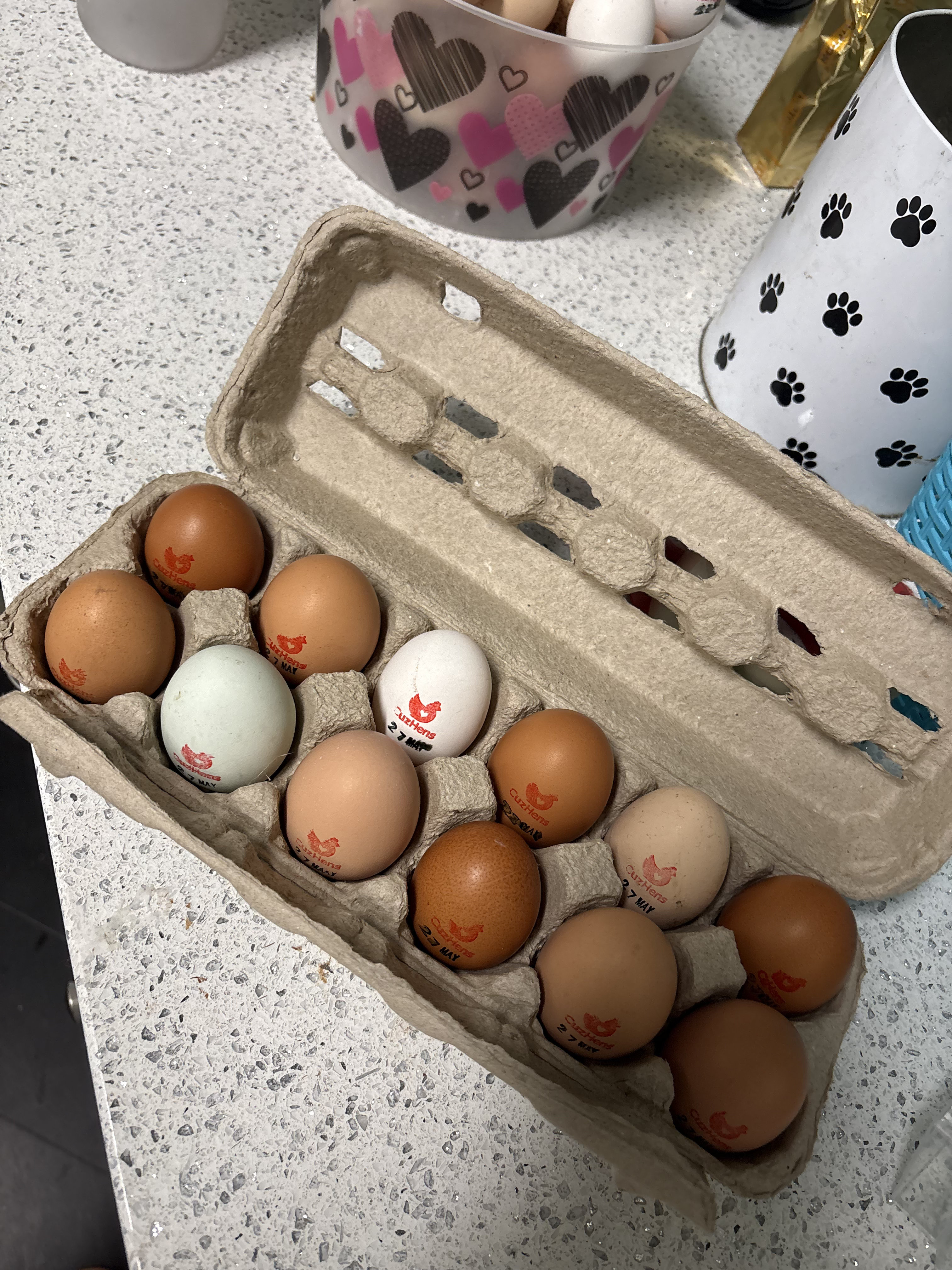
Growers at CuzHens Market consistently report better summer flock performance when implementing these strategies before heat waves arrive rather than reacting to problems. Preparation and consistent management keep birds productive and healthy through challenging summer conditions.
Got a follow-up question or a tip of your own? Take it to the Community board.