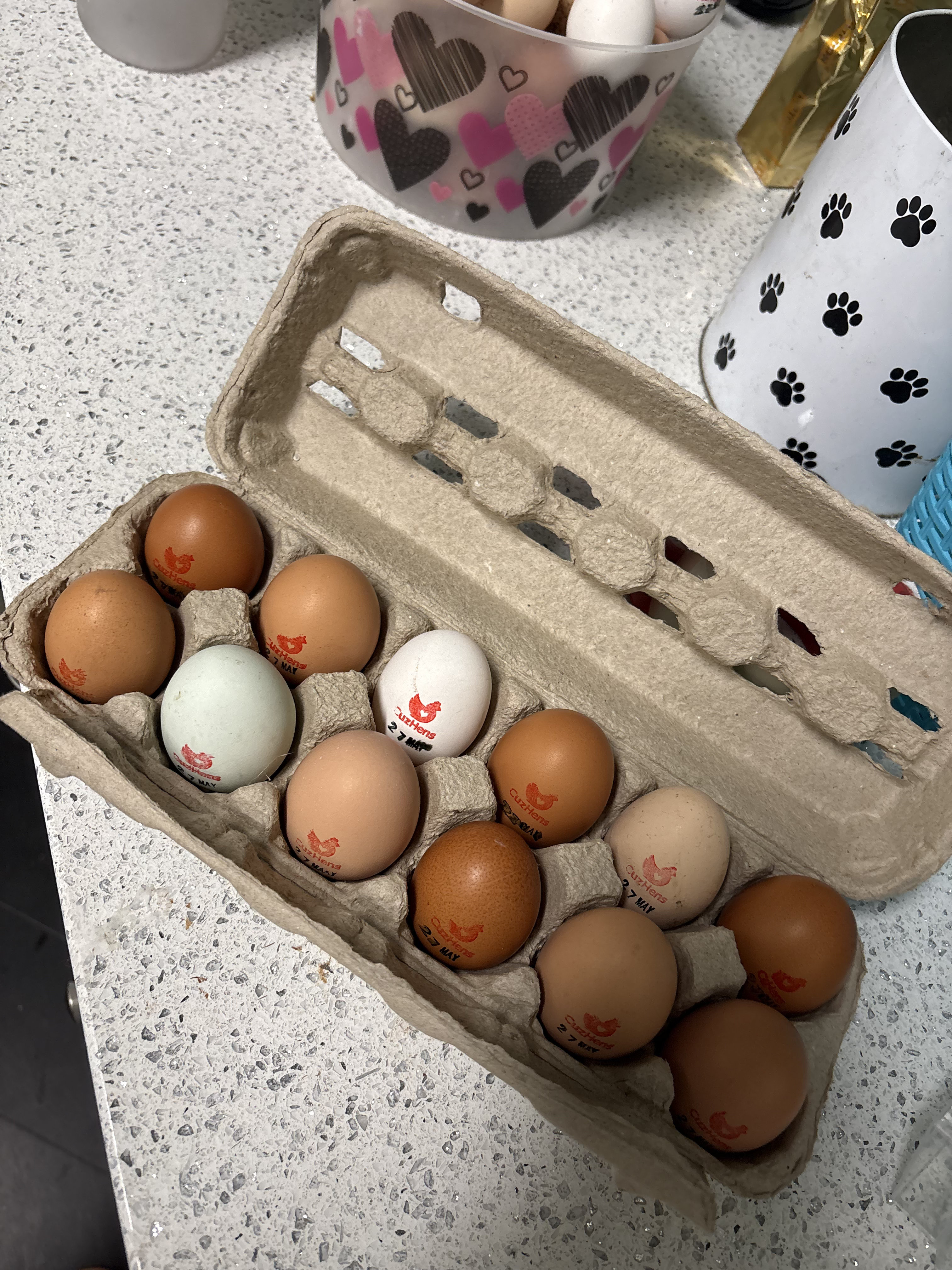
Free-Range vs Confined Poultry: Sustainable Management for Farms
Evidence-based comparison of housing systems for environmental and economic sustainability
Free-Range vs Confined Poultry: Sustainable Management for Farms
Sustainable poultry production requires balancing environmental stewardship, economic viability, and animal welfare. The choice between free-range and confined systems directly impacts your farm's nutrient cycling, land use efficiency, and carbon footprint. This analysis examines both approaches through measurable sustainability metrics.
Environmental Impact Assessment
Soil Health and Nutrient Cycling
Free-range systems contribute directly to soil fertility when properly managed. Chickens deposit approximately 0.9 pounds of nitrogen per bird annually through manure, but concentration matters significantly. Rotational grazing prevents nitrogen overload—moving birds every 3-5 days maintains optimal soil nitrogen levels between 40-60 ppm without burning pasture.
Confined systems centralize waste, creating both challenges and opportunities. A 1,000-bird operation produces roughly 4.5 tons of manure annually. When composted properly and applied strategically, this concentrated resource rebuilds soil organic matter at rates of 0.5-1% annually. Poor management, however, creates nitrogen runoff risks exceeding 30% of total nutrients.
Carbon Footprint Considerations
Free-range operations typically show 15-20% lower carbon emissions per dozen eggs compared to confined systems when factoring in reduced feed transportation and natural foraging. Birds on pasture derive 10-30% of their nutrition from insects, grasses, and seeds, reducing purchased feed requirements.
Confined systems achieve efficiency through climate control and reduced energy expenditure per bird. Modern insulated housing reduces heating costs by 40% compared to open structures, though this advantage diminishes in moderate climates where free-range birds require minimal shelter.
Economic Sustainability Analysis
Infrastructure and Labor Costs
Confined housing requires significant upfront investment—$25-45 per bird for quality infrastructure including ventilation, lighting, and nesting systems. This capital expense amortizes over 15-20 years with proper maintenance.
Free-range systems reduce building costs to $8-15 per bird for mobile coops or basic shelter, but labor increases substantially. Daily pasture moves, predator monitoring, and egg collection across dispersed areas add 2-3 hours weekly per 100 birds compared to confined operations.
Feed Efficiency and Input Costs
Confined birds convert feed at ratios of 2.0-2.2 pounds feed per pound of egg, with minimal waste. Controlled environments optimize digestion and reduce energy expenditure for temperature regulation.
Free-range systems show feed conversion ratios of 2.5-3.0 when accounting for exercise and foraging behavior. However, pasture contributions offset 15-25% of grain requirements during growing seasons, creating seasonal cost advantages. Producers on CuzHens Market often report feed savings of $0.08-0.12 per dozen during peak pasture productivity.
Land Use and Scalability
Space Requirements
Sustainable free-range density ranges from 250-400 birds per acre with rotational grazing. Higher densities degrade pasture and increase disease pressure. This limits production scale unless significant acreage is available.
Confined systems house 3-5 birds per square foot of floor space, enabling 10,000+ bird operations on 2-3 acres including feed storage and waste management areas. Vertical integration maximizes limited land resources.
Regenerative Potential
Properly managed free-range systems build soil carbon, increase water infiltration by 25-40%, and enhance biodiversity. Integration with crop rotation or silvopasture creates synergistic benefits—chickens following cattle reduce parasite loads while distributing nutrients.
Confined systems support regenerative goals when waste is composted and returned to cropland. A 500-bird operation produces sufficient compost to maintain soil health on 3-5 acres of vegetable production annually.
Disease Management and Biosecurity
Pathogen Control Strategies
Confined systems enable superior biosecurity through controlled access, dedicated footwear protocols, and isolated ventilation. Disease outbreaks are contained more effectively, though transmission within the flock accelerates in dense populations.
Free-range birds experience lower respiratory disease rates due to superior air quality and sunlight exposure, which provides natural vitamin D and UV pathogen reduction. However, wild bird contact increases avian influenza risk, and parasite management requires vigilant rotation schedules.
Antibiotic Use and Resistance
Both systems can operate without routine antibiotics, but confined operations face greater pressure during disease events. Stocking density above 4 birds per square foot correlates with increased treatment requirements. Free-range systems with proper spacing (under 300 birds per acre) typically require 60-75% fewer interventions.
Hybrid Approaches for Optimal Sustainability
Many experienced farmers implement seasonal or staged systems. Winter confinement with deep bedding (12-18 inches of wood shavings or straw) protects birds while building high-quality compost. Spring through fall pasture rotation maximizes environmental benefits during optimal conditions.
Mobile housing on skids combines benefits—birds access fresh pasture daily while maintaining biosecurity and predator protection. This approach requires 1-2 acres per 100 birds but delivers premium product positioning and soil building simultaneously.
Common Questions
Which system produces better long-term soil health? Rotational free-range systems build soil organic matter and biological activity more effectively, but only when stocking rates remain below 350 birds per acre and movement occurs every 3-5 days.
Can confined operations achieve carbon neutrality? Yes, through solar power integration, comprehensive composting, and returning nutrients to cropland. Carbon-neutral confined operations require approximately 0.3 acres of crop production per 100 birds to cycle all nutrients.
What's the break-even scale for each system? Confined operations typically require 500+ birds for labor efficiency, while free-range systems can be profitable at 100-200 birds if marketing captures premium pricing of $1.50-2.50 per dozen above conventional eggs.
How does weather affect sustainability metrics? Free-range systems show 30-40% reduced productivity during extreme weather, increasing per-unit environmental impact. Confined systems maintain consistent output but increase energy use for climate control during temperature extremes beyond 55-75°F.
Got a follow-up question or a tip of your own? Take it to the Community board.