Best Chicken Breeds for Sustainable Urban Homesteading
Choose productive, resilient chickens that thrive in small spaces and support your eco-friendly goals
Best Chicken Breeds for Sustainable Urban Homesteading
Urban homesteading with chickens offers a direct path to sustainable living. The right breed choices can transform your small backyard into a productive ecosystem that provides fresh eggs, reduces food waste, and requires minimal external inputs. Not all chickens suit city living equally—some breeds demand more space, feed, or attention than urban lots can provide.
What Makes a Chicken Breed Sustainable for Urban Settings
Sustainability in urban poultry keeping means more than just egg production. The best breeds balance several key factors that reduce environmental impact while fitting into limited space.
Feed Efficiency and Foraging Ability
Sustainable breeds convert kitchen scraps and backyard forage into eggs efficiently. Breeds with strong foraging instincts can meet 15-30% of their nutritional needs from yard exploration, insects, and garden waste during warmer months. This reduces purchased feed costs and turns potential compost into protein.
Climate Adaptability and Hardiness
Resilient breeds require less intervention, heating, or cooling. Hardy chickens withstand temperature fluctuations without expensive climate control, reducing energy consumption. Cold-hardy breeds tolerate temperatures down to 0°F with proper shelter, while heat-tolerant varieties handle 95°F+ summers without distress.
Dual-Purpose Value
Many heritage breeds offer both egg production and eventual meat potential, maximizing resource use. Even urban homesteaders who don't process birds benefit from breeds that maintain productivity across multiple years rather than burning out after one intensive laying season.
Top Sustainable Breeds for Urban Backyards
These breeds consistently perform well in small spaces while supporting sustainable homesteading principles.
Rhode Island Red
This American heritage breed produces 250-300 brown eggs annually while thriving on mixed diets. Rhode Island Reds actively forage, tolerate confinement when necessary, and remain productive for 3-4 years. Their calm temperament suits neighborhoods where noise concerns matter.
Australorp
Australorps hold efficiency records, with documented cases of hens laying 364 eggs in 365 days. They excel at converting feed to eggs, require minimal space (4 square feet per bird in the coop), and maintain steady production through winter months. Their quiet, docile nature prevents neighbor complaints.
Buff Orpington
These gentle giants combine 200+ annual eggs with excellent foraging skills and broody tendencies. Urban homesteaders can hatch replacement birds naturally, eliminating the need for incubators or purchasing chicks. Orpingtons handle cold climates exceptionally well and rarely fly, making fence requirements simpler.
Plymouth Rock (Barred Rock)
Plymouth Rocks deliver consistent 200-280 eggs yearly while tolerating various climates and management styles. They're excellent scrap processors, eagerly consuming vegetable trimmings, weeds, and garden pests. Their striking appearance adds aesthetic value to urban gardens.
Wyandotte
With rose combs resistant to frostbite and calm dispositions, Wyandottes suit northern urban environments. They produce 200+ eggs annually, forage actively in limited spaces, and their heavy bodies discourage flying over fences. Multiple color varieties allow homesteaders to maintain flock diversity.
Sustainable Flock Management Practices
Breed selection works alongside management practices to maximize sustainability.
Right-Sizing Your Flock
Most urban households need just 3-4 hens to meet egg needs. A family consuming one dozen eggs weekly requires three productive layers. Oversized flocks waste feed and space while creating excess eggs that spoil. Calculate your actual consumption before acquiring birds.
Closed-Loop Nutrition Systems
Integrate chickens into your waste stream by feeding vegetable scraps, weeds, and garden trimmings. Chickens process up to 1 pound of kitchen waste per bird weekly. Their manure returns nitrogen to garden beds—one hen produces approximately 1 cubic foot of compost-ready manure annually.
Breeding for Resilience
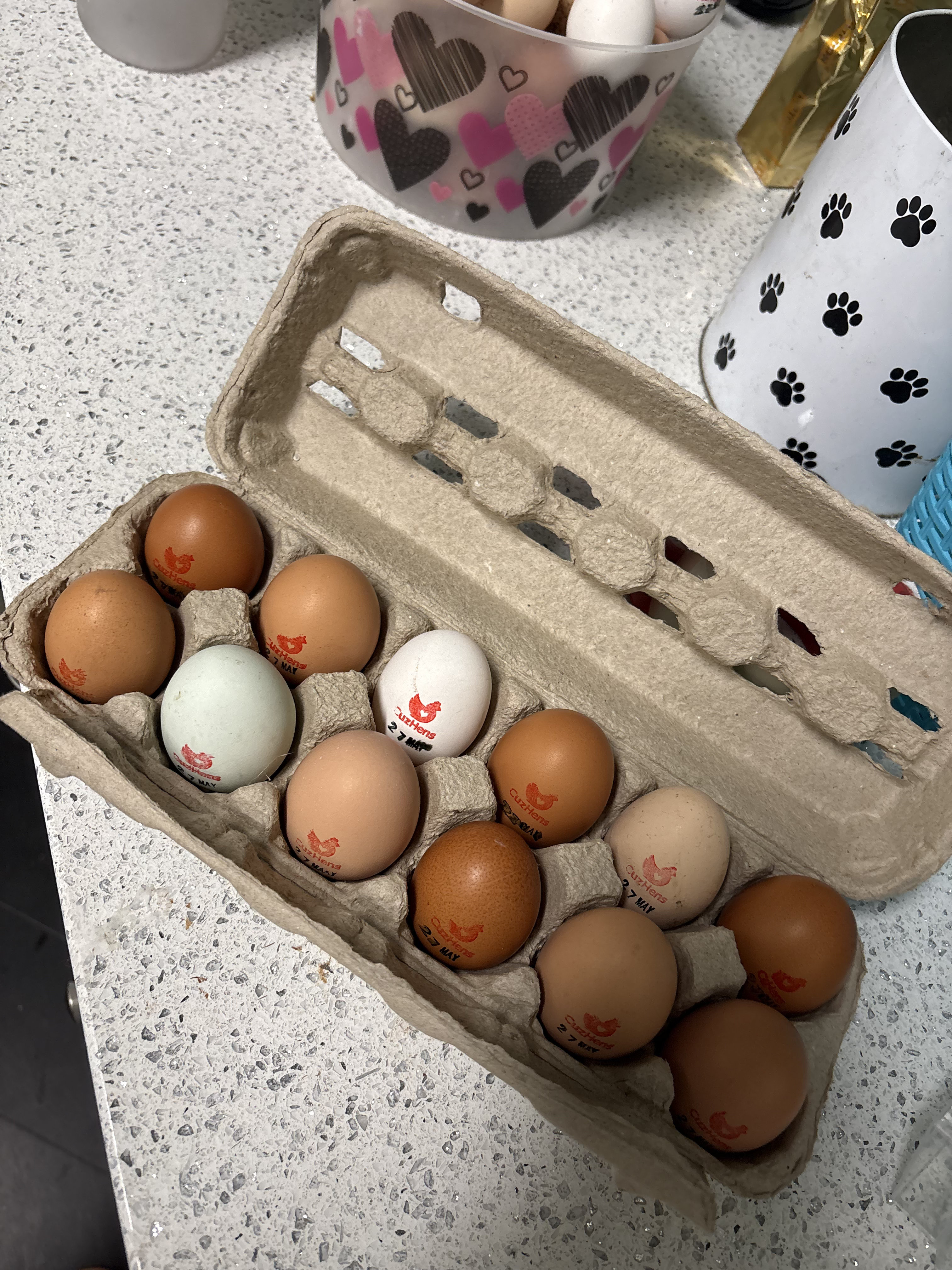
Maintaining a small breeding program with heritage breeds preserves genetic diversity and eliminates reliance on hatcheries. Keep one rooster per 8-10 hens if local ordinances allow. Platforms like CuzHens Market connect urban homesteaders with locally-adapted breeding stock rather than shipped chicks.
Avoiding Common Sustainability Pitfalls
Some popular breeds undermine sustainable goals despite their appeal.
High-Production Hybrids
White Leghorns and commercial sex-links produce 300+ eggs annually but burn out within 18 months. Their short productive lifespan means frequent replacement, higher long-term costs, and more waste. They also forage poorly and require consistent high-protein feed.
Ornamental Breeds
Silkies, Polish, and other fancy breeds offer visual interest but minimal productivity. Their specialized care requirements, poor feed conversion, and low egg numbers (100-120 annually) conflict with sustainability principles in working flocks.
Climate Mismatches
Mediterranean breeds like Leghorns struggle in cold climates, requiring heated coops. Conversely, heavy breeds like Brahmas suffer in hot, humid regions. Choose breeds adapted to your specific climate zone.
Common Questions About Sustainable Urban Chicken Breeds
How many chickens can I keep sustainably in a small urban yard? Most 1/8-acre urban lots can support 4-6 chickens sustainably with proper rotation. Allocate at least 10 square feet of outdoor space per bird and rotate ranging areas to prevent soil depletion.
Do heritage breeds really lay fewer eggs than hybrids? Heritage breeds produce 200-280 eggs annually versus 300+ for hybrids, but maintain production for 3-5 years instead of 1-2. Total lifetime egg production often exceeds hybrids when longevity is factored.
Can I mix different breeds in one sustainable flock? Yes. Mixed flocks often prove more resilient than single-breed groups. Combine breeds with similar temperaments and size to prevent bullying. Diversity also provides insurance—if one breed struggles with local conditions, others may thrive.
What's the most important factor when choosing sustainable urban breeds? Climate adaptability matters most. A breed perfectly suited to your temperature extremes, humidity levels, and seasonal patterns will require minimal intervention, reducing resource consumption and your workload significantly.
Got a follow-up question or a tip of your own? Take it to the Community board.